

Introduction
Malware attacks are attacks using any sort of malicious software intended to damage or disrupt a computer, server, client, network, or infrastructure without the knowledge of the user or organization.
In this Airticle we will Discuss Following attacks.
- Ransomware
- Computer Virus
- Computer Warm
- Trojan Horse
- Adware
1. Ransomware
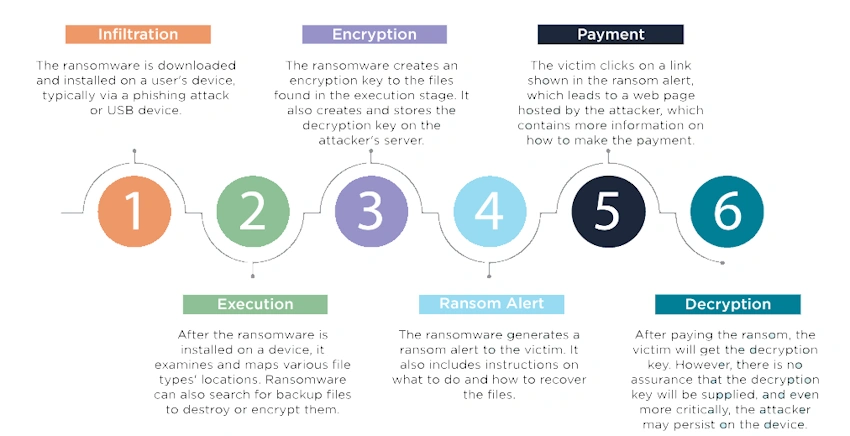
Ransomware is malware that encrypts data on a machine and demands a ransom payment for the decryption key to reaccess those files. In many situations, the ransom demand is accompanied by a deadline. If the victim does not pay the ransom in time, the data is lost forever, or the demand is raised. Attackers will target any user or company, and all types of industries are in danger
Types of Ransomware
- Locker: This type of ransomware prevents fundamental computer operations from functioning.
- Crypto: This type of ransomware encrypts critical data such as documents, applications, and media without affecting basic computer functioning.
2. Computer Virus
The term "virus" is frequently used to refer to any type of malware, which is technically inaccurate. A virus is a sort of malware created as a piece of malicious code that may spread through a network from one device to another. Like a biological virus, a computer virus is designed to spread from device to device and duplicate itself. Likewise, just as biological viruses cannot replicate and spread without a human host, computer viruses cannot replicate and spread in the absence of a program, such as a document. In technical terms, a computer virus is a form of malicious code or software developed to modify the way a computer runs and performs different tasks for malicious purposes.

Types of Computer Viruses
- File Virus: This virus inserts malicious code into executable files, which are files used to perform certain functions or operations on a system, such as an application
- Macro Virus: This virus is frequently found in documents such as Microsoft Office suite (Word, Excel, etc.). These viruses are often placed inside a document and propagate when the files are opened or transferred to other devices.
- Boot Virus: This type of virus can take control of the machine as it starts up (the boot process). It can spread by inserting an infected USB device into a computer
- Browser Virus: This virus targets browsers and modifies their settings. It redirects browsers to other harmful websites that users did not plan to visit. Other risks posed by this type of virus include altering the browsers' default home page.
- Web Scripting Virus: This virus targets the coding of web browsers and online sites. When users visit such a website, the virus might infect the device. Web scripting infections can obtain user cookies and use or sell them
3. Computer Warm
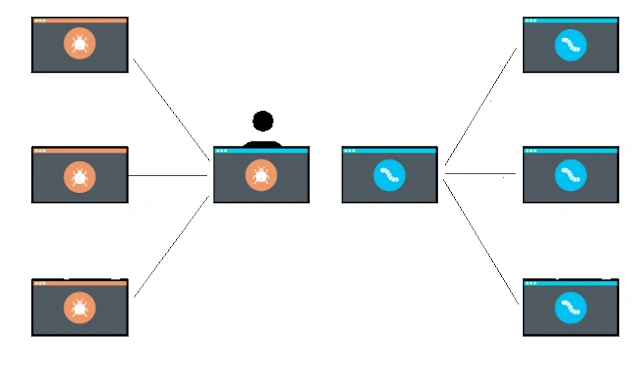
A computer worm is a type of malware that duplicates distributes itself from one device to another.It is natural to think that a computer worm and a computer virus are identical since they act identically. The fact is the two are related but distinct threats. The primary distinction between a virus and a worm is that viruses are activated by human action and require a host to duplicate, whereas worms can work independently. To put it simply, a virus will not affect the device unless users execute it. For instance, a virus on a USB drive linked to a computer will not cause any harm unless the user activates it. On the other hand, a worm does not require this human activity to begin functioning.
Types of Computer Worms
- Internet Worms: Internet worms attack popular websites with poor protection. When internet worms infect a website, they can duplicate themselves on any computer used to access this website.
- Email Worms: Email worms commonly spread through infected email attachments. When victims open an infected attachment, copies of the infected file are automatically distributed to their contacts.
- Instant Message Worms: The only distinction between instant messaging and email worms is their delivery method. They are usually associated with brief notes such as "Remember this video?" to mislead the victim into believing their friend has sent them something they should open.
4. Trojan Horse
A Trojan horse is a type of malware that conceals its actual purpose behind files and software that appear legitimate, tricking users into thinking it is a harmless and useful program. Trojans are mainly distributed as freeware. It refers to completely free software, such as tools, games, and security software. For instance, a user may download a computer game to his device from a random website, believing that the game is legitimate, but in fact, a trojan is embedded within it. Successful trojans will appear to be well-known, trustworthy software or files, misleading customers into believing they are safe to install on their computers.
Types of Trojan Horses
- Banking trojans: This type infiltrates devices, steals users' banking details, and accesses financial accounts. They do this by redirecting the victims to a fraudulent website where users are meant to input their login credentials. Due to the growing use of online banking and the recklessness of some users, it's no surprise this type is a feasible way for attackers to obtain money swiftly.
- AV Trojans: Antivirus fraud trojans are very sneaky. Instead of protecting a device, they cause significant problems. These bogus virus-detection programs mislead users into paying to have real or fake threats removed. This causes the user even more trouble since their payment information has now been transmitted to the trojan's creator.
- Backdoor Trojans: Using a backdoor trojan, an attacker can get remote access to a computer and maintain continuous control over it. This enables malicious actors to do whatever they want on the device, such as deleting files, rebooting the computer, stealing data, or launching malware.
5. Adware
Adware is software that displays unwanted advertisements (ads) on the user's computer or mobile device. While adware is not technically malware and might even be helpful in some cases, legitimate and legal adware can still cause user issues and be used maliciously, such as for unauthorized data collection.When the adware is installed on a device, it disrupts users' browsing experiences by displaying extensive ads, generating pop-up windows, and auto-playing video commercials, all to make money for its creators.
Types of Adware
- Legitimate adware: This allows you to subscribe to advertisements and program promotions. You may also decide to allow it to collect marketing data about you.
- Unwanted adware: This type includes any software that you did not choose to install on your device or whose presence you were unaware of.
Reference
Join the conversation! Your thoughts help the community grow.