

Introduction
As machine learning models grow in complexity, their decision-making processes often become opaque. This lack of transparency can be a critical challenge in regulated industries, where model explanations are essential for trust and compliance. Azure Machine Learning Interpretability SDK provides powerful tools to help developers and data scientists interpret their models and explain predictions in a meaningful way.
In this article, we will explore the capabilities of the Azure ML Interpretability SDK, discuss best practices, and walk through an implementation example to enhance model transparency.
Why Explainability Matters?
Interpretable machine learning is crucial for,
- Regulatory compliance: Many industries, such as finance and healthcare, require clear explanations of automated decisions.
- Trust and fairness: Users are more likely to trust models when they understand how predictions are made.
- Debugging and improvements: Understanding model behavior helps identify biases and refine performance.
Azure ML’s interpretability tools allow users to dissect models and provide feature attributions, visualization tools, and local/global explanations.
Setting Up Azure ML Interpretability SDK
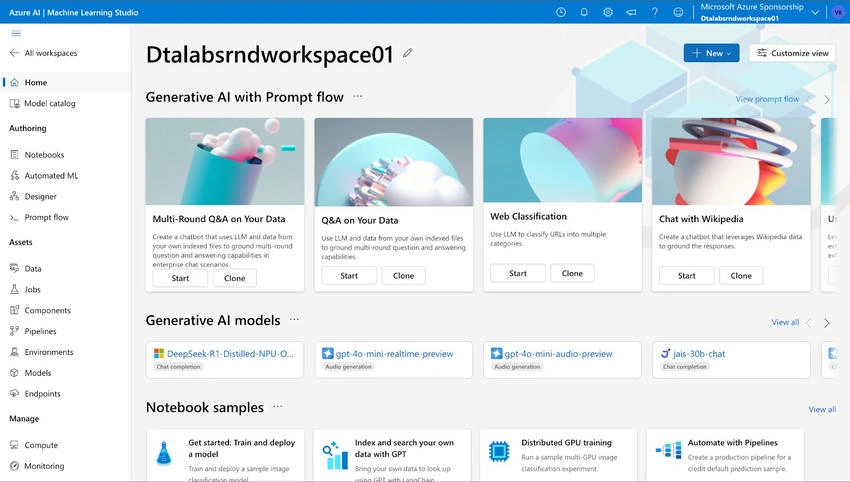
Before we start, ensure you have an Azure Machine Learning workspace set up and install the required packages. You can install the Azure ML Interpretability SDK using the following command:
pip install azure ml-interpret scikit-learn matplotlib
Once installed, you can import the necessary libraries.
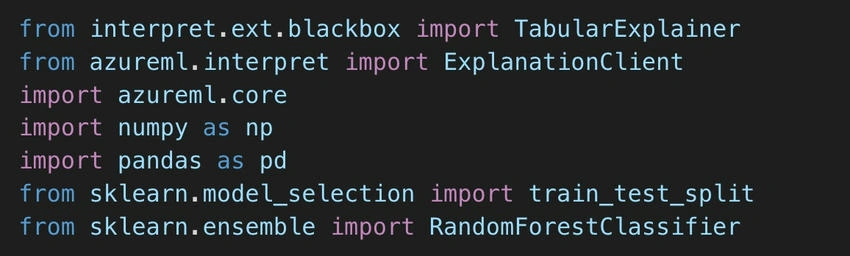
Implementing Explainability in a Machine Learning Model
Let’s walk through a simple example using the RandomForestClassifier to classify tabular data and then interpret the model.
Step 1. Load and Prepare Data.
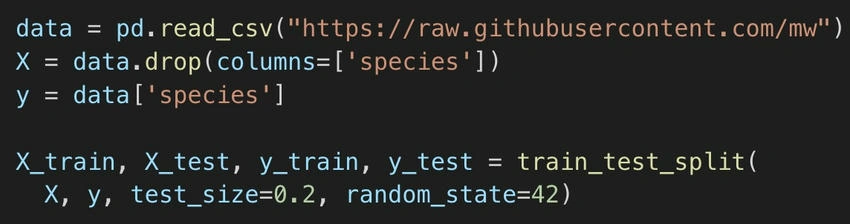
Step 2. Train a Machine Learning Model.

Step 3. Apply Interpretability Methods.
We now use TabularExplainer, which supports both black-box models (e.g., deep learning) and traditional models.

Step 4. Visualizing Feature Importance.
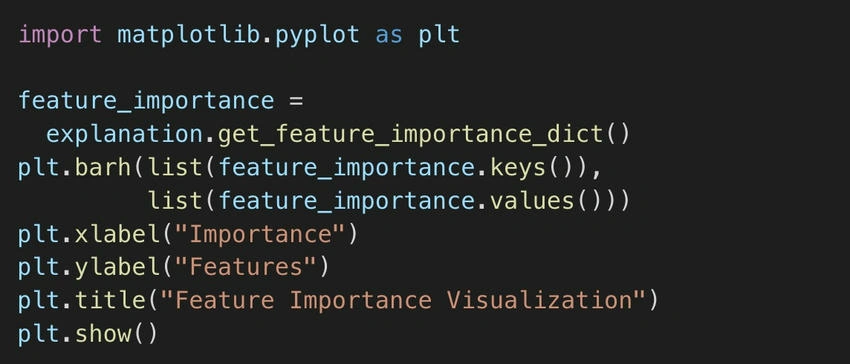
This visualization helps us identify which features contribute most to the model’s decision-making process.
Best Practices for Model Interpretability
To enhance transparency in your AI models, consider the following best practices.
- Use multiple explainability techniques: Utilize SHAP, LIME, and Partial Dependence Plots to get different perspectives on the model.
- Evaluate both global and local explanations: Understanding feature impact across entire datasets and individual predictions provides deeper insights.
- Regularly audit model predictions: Continuous monitoring helps identify biases and drift over time.
- Integrate explanations into applications: Provide end-users with clear insights into predictions to build trust.
Conclusion
With the Azure ML Interpretability SDK, developers can make AI systems more transparent and accountable. By integrating explainability into the model lifecycle, organizations can ensure fairness, regulatory compliance, and trust in their AI applications.
Whether you are working in finance, healthcare, or e-commerce, model interpretability is a crucial step toward ethical AI. Try integrating Azure ML Interpretability tools into your next project to enhance the transparency of your machine learning models.
Further Learning
Join the conversation! Your thoughts help the community grow.