

Introduction
The Base blockchain is quickly becoming a go-to platform for faster and cheaper transactions. But what makes it work so well behind the scenes? In this article, we will break down the architecture of Base in simple terms, so anyone, even if they are new to blockchain, can understand how it works. The base is built using the OP Stack, a powerful toolkit developed by Optimism that makes it easy to create scalable Layer 2 chains. We will explain the key components like the execution layer, sequencer, data availability, and the rollup process that connects Base to Ethereum. By the end, you will see how Base combines speed, cost savings, and Ethereum-level security—all in one smart system.
What Is the Base Blockchain?
- Base is a Layer 2 blockchain built on top of Ethereum. It's designed to make blockchain apps faster, cheaper, and easier to use, without sacrificing the security that Ethereum provides.
- The base is built using something called the OP Stack, a modular framework created by Optimism that lets developers launch their own scalable chains.
What Is the OP Stack?
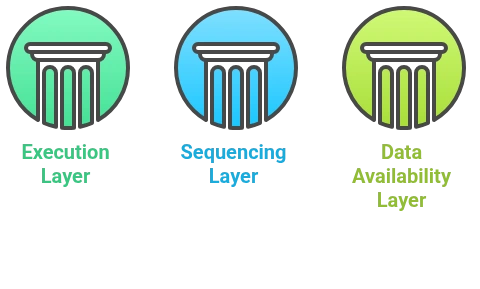
The OP Stack is the foundation of Base. Think of it like a set of building blocks for creating Layer 2 blockchains. It is fully compatible with Ethereum and benefits from its strong security.
The OP Stack has three major layers
- Execution Layer: Runs transactions and smart contracts
- Sequencing Layer: Orders and groups transactions
- Data Availability Layer: Ensures transaction data is stored and accessible.
Execution Layer
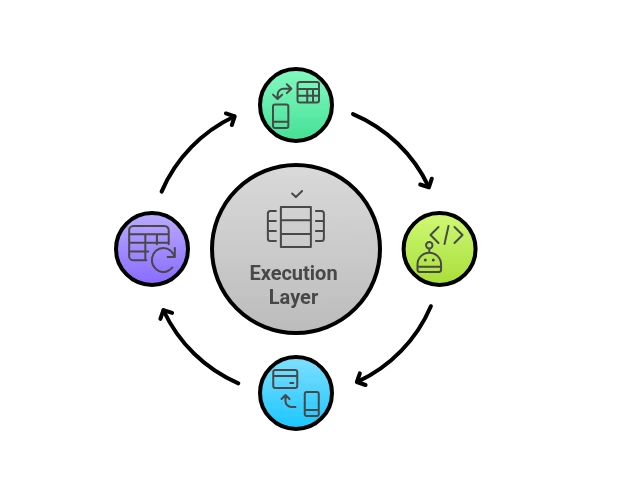
The execution layer is where all smart contracts and transactions are actually processed. When you interact with a dApp on Base (like swapping tokens), this layer runs the code. Base uses the EVM (Ethereum Virtual Machine) just like Ethereum, so developers can deploy their Ethereum contracts to Base without making changes.
Why does it matter?
- Developers don’t need to learn new tools
- Any Ethereum-compatible contract works on Base
- Makes building dApps faster and easier
Sequencer
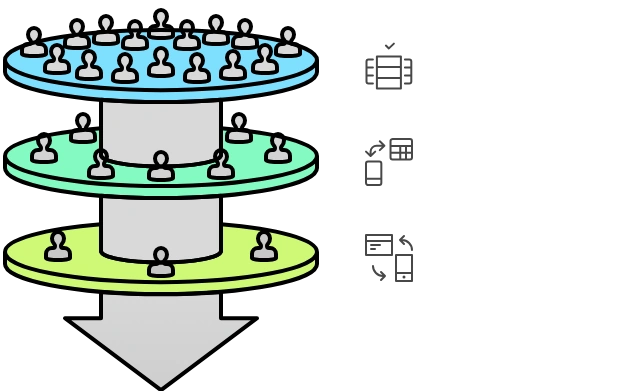
The sequencer is a special node that decides the order of transactions on the Base network. Instead of waiting for miners, the sequencer collects and groups transactions quickly. Right now, Coinbase operates the sequencer for Base. But in the future, it may become decentralized with multiple sequencers.
Benefits
- Faster transactions
- Lower gas fees
- Smooth user experience
Data Availability
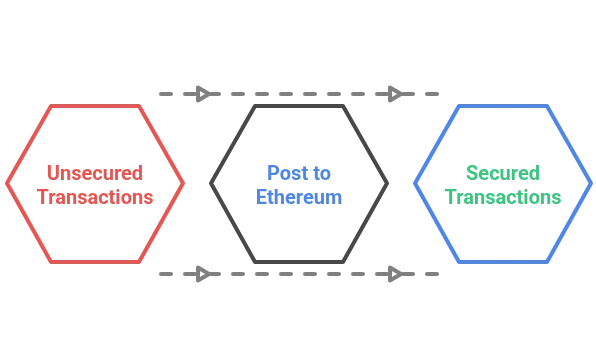
- When transactions are processed on Base, they still need to be recorded somewhere securely. That’s where Ethereum comes in.
- Base posts its transaction data back to Ethereum's mainnet, making it publicly available and tamper-proof. This ensures transparency and safety even if something goes wrong on Base itself.
Key points
- Ethereum acts like a permanent backup
- Anyone can verify Base’s transactions using Ethereum data
Rollup Mechanics

Base uses something called an Optimistic Rollup to scale Ethereum. Here’s how it works.
- Users send many small transactions on Base.
- These transactions are bundled into one batch.
- The batch is sent to Ethereum for storage and verification.
The term “optimistic” means Base assumes transactions are valid unless someone proves otherwise within a 7-day window. This allows Base to be fast and low-cost, while still relying on Ethereum’s security.
Why is it smart?
- Base doesn’t clog Ethereum with small transactions
- You save on gas fees
- Still benefits from Ethereum’s decentralization and safety
How does Everything work together?
Here’s a quick recap of how Base’s architecture fits together.
- OP Stack: The base framework
- Execution Layer: Runs contracts and transactions
- Sequencer: Sorts and submits transactions
- Data Layer: Posts transaction data to Ethereum
- Rollup: Batches everything and ensures security
This layered system gives Base the speed and low fees of a modern chain, with the trust and security of Ethereum behind it.
Final Thoughts
Base is more than just another Layer 2; it’s a well-designed system built on solid foundations. Using the OP Stack brings speed, lower costs, and easier development while staying closely connected to Ethereum’s ecosystem. Whether you're a developer planning your next dApp or a crypto user looking to avoid high gas fees, understanding Base's architecture helps you see why it's such a promising platform. As Base continues to grow, its structure ensures it can handle more users and apps without slowing down or compromising security.
Join the conversation! Your thoughts help the community grow.